谁偷走我们的永久冻土
谁偷走我们的永久冻土
陈营华
2015年4月
2014年7月,在俄罗斯北部的亚马尔半岛发现了一个约30米阔的大洞穴(图一)[1]。这洞穴位于北极区的永久冻土范围内。永久冻土一般指地面上没有树林的平原,而平原下土壤的温度连续两年或以上在0°C 或以下[2]。有研究员估计该洞穴是由于困在永久冻土内的甲烷(或称沼气)爆发而形成。永久冻土受热而溶解,引致甲烷积聚而使内里的气压上升,直至气压过高时发生爆炸,喷走上层的土壤而形成洞穴。随后在亚马尔半岛及其他俄罗斯北部地区亦相继发现了更多类似的洞穴[3]。
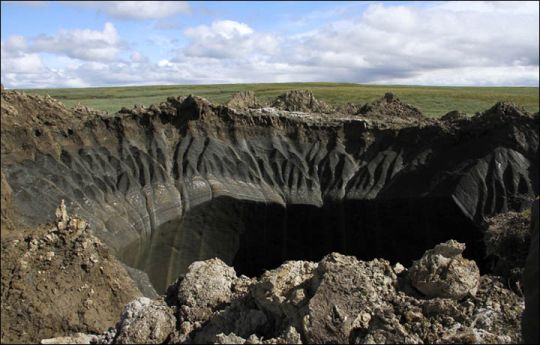
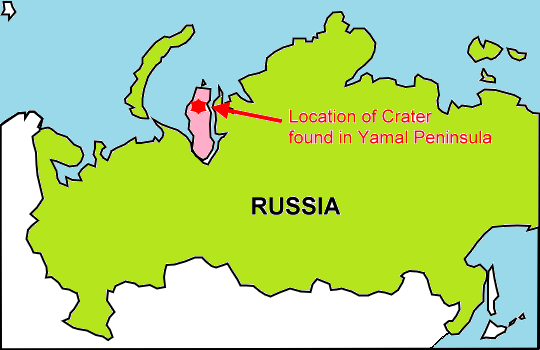
图一 相片显示2014年7月在俄罗斯北部亚马尔半岛发现的大洞穴(上)及其位置(下)
(相片来源: Professor Bogoyavlensky/The Siberian Times (https://siberiantimes.com/home/)).
(相片来源: Professor Bogoyavlensky/The Siberian Times (https://siberiantimes.com/home/)).
大部分永久冻土都位于高纬度的北极及南极区域,而在较低纬度地区的高山也可存在永久冻土(高山永久冻土)。在北半球,永久冻土占总陆地面积约百分之二十四[4]。永久冻土分布于广泛地区,包括俄罗斯北部、加拿大、阿拉斯加及格陵兰。生长在永久涷土的植物主要为矮细的灌木、草、台藓及地衣。
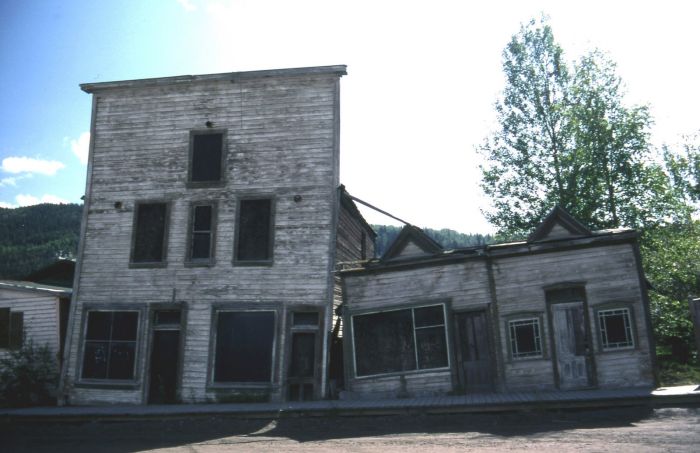
图二 加拿大道森市一间受地下永久冻土溶解而受损坏的房屋。
(相片来源: Andrew Slater 及美国国家冰雪数据中心)
(相片来源: Andrew Slater 及美国国家冰雪数据中心)
全球变暖是永久冻土的一大威胁。当永久冻土溶解,释出甲烷及二氧化碳,两者皆为温室气体。根据联合国政府间气候变化专门委员会的第五份评估报告,气候变化引发高纬度及高山地区的永久冻土溶解,这推断的置信水平很高[5]。事实上,永久冻土的面积正在萎缩,这现象已出现在一些地区如北俄罗斯及青藏高原 [6]。永久冻土的溶解引致上层的土壤下陷及变得不平均,触发土地沉降。这严重影响建筑在永久冻土上的房屋、桥梁、道路及铁路。再者,永久冻土继续暖化会使更多矮细灌木入侵苔原地域,取替原本在该区生长的地衣及其他植物。在阿拉斯加,地衣是驯鹿的重要食粮,地衣的消失将会影响这类动物的生长及数量[7]。
虽然对北俄罗斯大洞穴的成因还有待确定,但是科学家忧虑永久冻土的溶解会释放更多甲烷和二氧化碳,进一步加剧全球暖化现象,特别是甲烷所产生的温室效应比二氧化碳更为厉害。自1750年起,大气层的甲烷浓度已上升及超越工业革命前的浓度约百分之一百五十[8]。现时虽仍难以准确地估计由永久冻土溶解而产生的甲烷和二氧化碳的容量[9],但我们必须继续关注甲烷浓度的上升趋势。
参考资料:
[1] “Mysterious Siberian crater attributed to methane”, Katia Moskvitch, 31 July 2014, Nature.
[2] Annex III: Glossary. In: Climate Change 2013: The Physical Science Basis. Contribution of Working Group I to the Fifth Assessment Report of the Intergovernmental Panel on Climate Change.
[3] “Dozens of new craters suspected in northern Russia”, Anna Liesowska, 23 February 2015, the Siberia Times.
[4] Policy Implications of Warming Permafrost, United Nations Environment Programme, 2012.
[5] Summary for policymakers. In: Climate Change 2014: Impacts, Adaptation, and Vulnerability. Part A: Global and Sectoral Aspects. Contribution of Working Group II to the Fifth Assessment Report of the Intergovernmental Panel on Climate Change.
[6] Observations: Cryosphere. In: Climate Change 2013: The Physical Science Basis. Contribution of Working Group I to the Fifth Assessment Report of the Intergovernmental Panel on Climate Change.
[7] Climate Impacts in Alaska, United States Environmental Protection Agency.
[8] Summary for policymakers. In: Climate Change 2013: The Physical Science Basis. Contribution of Working Group I to the Fifth Assessment Report of the Intergovernmental Panel on Climate Change.
[9] Agriculture, Forestry and Other Land Use (AFOLU). In: Climate Change 2014: Mitigation of Climate Change. Contribution of Working Group III to the Fifth Assessment Report of the Intergovernmental Panel on Climate Change.
[1] “Mysterious Siberian crater attributed to methane”, Katia Moskvitch, 31 July 2014, Nature.
[2] Annex III: Glossary. In: Climate Change 2013: The Physical Science Basis. Contribution of Working Group I to the Fifth Assessment Report of the Intergovernmental Panel on Climate Change.
[3] “Dozens of new craters suspected in northern Russia”, Anna Liesowska, 23 February 2015, the Siberia Times.
[4] Policy Implications of Warming Permafrost, United Nations Environment Programme, 2012.
[5] Summary for policymakers. In: Climate Change 2014: Impacts, Adaptation, and Vulnerability. Part A: Global and Sectoral Aspects. Contribution of Working Group II to the Fifth Assessment Report of the Intergovernmental Panel on Climate Change.
[6] Observations: Cryosphere. In: Climate Change 2013: The Physical Science Basis. Contribution of Working Group I to the Fifth Assessment Report of the Intergovernmental Panel on Climate Change.
[7] Climate Impacts in Alaska, United States Environmental Protection Agency.
[8] Summary for policymakers. In: Climate Change 2013: The Physical Science Basis. Contribution of Working Group I to the Fifth Assessment Report of the Intergovernmental Panel on Climate Change.
[9] Agriculture, Forestry and Other Land Use (AFOLU). In: Climate Change 2014: Mitigation of Climate Change. Contribution of Working Group III to the Fifth Assessment Report of the Intergovernmental Panel on Climate Change.