Maintenance of a Tide Gauge Station
Maintenance of a Tide Gauge Station
CHAN Ngo-hin
February 2026
When passing through Tolo Highway, have you ever noticed a structure by the Tai Po Railway Pier with the name "Revealing the Tip of Iceberg"? That structure is actually the Tai Po Kau Tide Gauge Station. This station is an important facility operated by the Hong Kong Observatory to monitor tidal heights, providing crucial data for storm surge warnings and climate change research. To ensure the accuracy and continuity of tidal data, the Hong Kong Observatory has implemented a series of rigorous routine maintenance procedures and special measures for the tide gauge station, which mainly include:
1. Instrument Calibration Using Water Level Meter
The instruments inside the tide gauge station use a pressure transducer underwater to measure the difference between water pressure and atmospheric pressure to derive the sea level. The Observatory regularly performs on-site calibration using a water level meter (Figure 1 and Figure 2), comparing the meter readings with those obtained from the submerged pressure sensor. This ensures that the sea level measurements taken by the station's instruments remain within the standard margin of error.
The instruments inside the tide gauge station use a pressure transducer underwater to measure the difference between water pressure and atmospheric pressure to derive the sea level. The Observatory regularly performs on-site calibration using a water level meter (Figure 1 and Figure 2), comparing the meter readings with those obtained from the submerged pressure sensor. This ensures that the sea level measurements taken by the station's instruments remain within the standard margin of error.
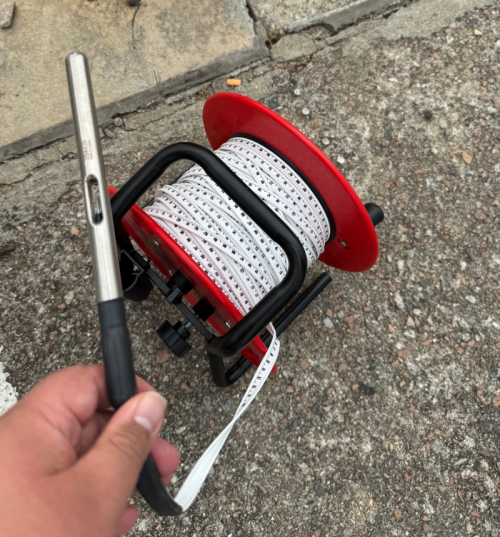
Figure 1 Water level meter.
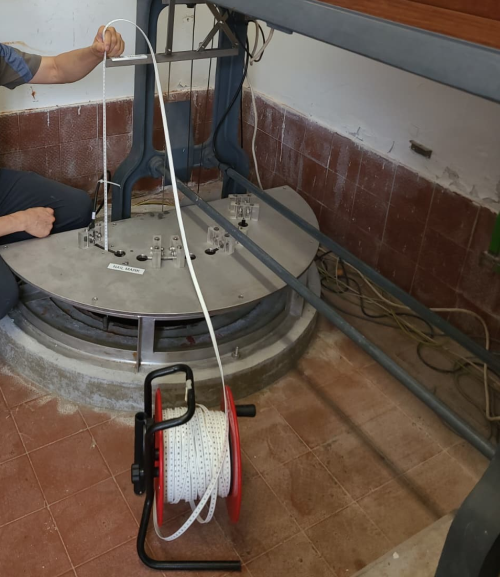
Figure 2 Observatory staff performing on-site calibration using a water level meter.
2. Arranging Professional Divers for Cleaning
To accurately measure tidal heights avoiding the influence of successive sea waves, the pressure transducer at the tide gauge station should be placed in a calm environment. Therefore, the pressure transducer is installed inside a pipe (a stilling well (Figure 3) or damping tube). However, marine organisms such as oysters and barnacles (Figure 4) may attach themselves to the pipe walls. They can block the pipes and affect the accuracy of pressure transducer over time. Hence, the Hong Kong Observatory regularly arranges professional divers to clean these critical pipes, ensuring they remain unobstructed and allowing for accurate and reliable tidal measurements.
To accurately measure tidal heights avoiding the influence of successive sea waves, the pressure transducer at the tide gauge station should be placed in a calm environment. Therefore, the pressure transducer is installed inside a pipe (a stilling well (Figure 3) or damping tube). However, marine organisms such as oysters and barnacles (Figure 4) may attach themselves to the pipe walls. They can block the pipes and affect the accuracy of pressure transducer over time. Hence, the Hong Kong Observatory regularly arranges professional divers to clean these critical pipes, ensuring they remain unobstructed and allowing for accurate and reliable tidal measurements.
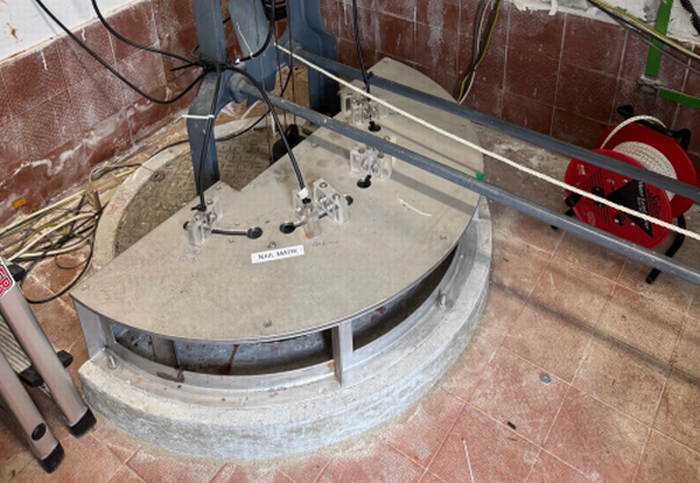
Figure 3 The stilling well of tide gauge station.
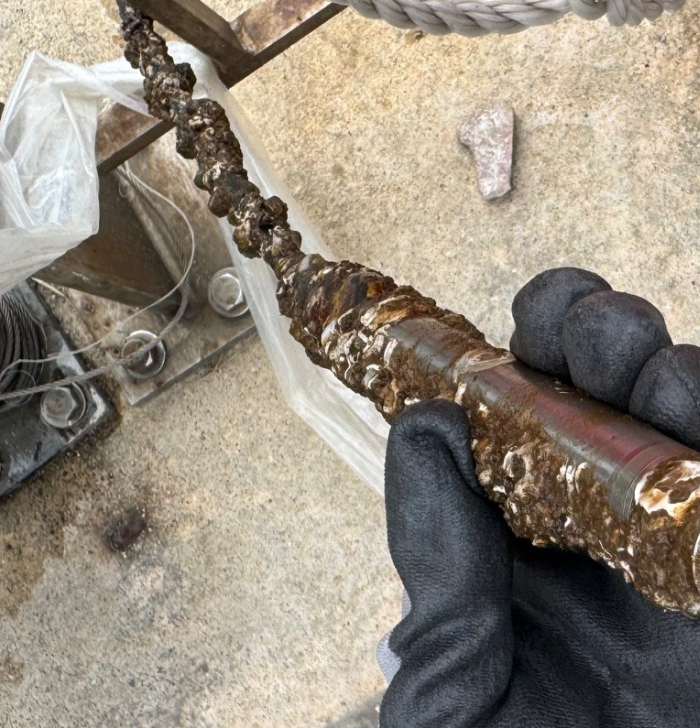
Figure 4 Oysters or barnacles growing on the pressure transducer.
To ensure public safety, the maintenance of the tide gauge stations is crucial, as it guarantees accurate measurement and recording of tidal heights, storm surges and mean sea level.