Overtopping Waves
Overtopping Waves
WONG Yat-chun Nathan, CHAN Wai-soen Wilson
October 2025
“Overtopping waves,” as the name suggests, are waves that go over the top of coastal structures (e.g. seawall) (Figures 1 and 2). While seawalls are meant to protect people, property and facilities along the shoreline, powerful wind waves and swell associated with tropical cyclones may breach the breakwaters during storm surge and high tides. Therefore, we should not underestimate the risks brought about by such waves. Sea waves carry considerable energy. When they hit onshore, they can be pushed up to a height of several storeys (Figure 3). They can knock people to the ground, or even push them metres away. They can also damage coastal facilities or structures like windows or even walls.
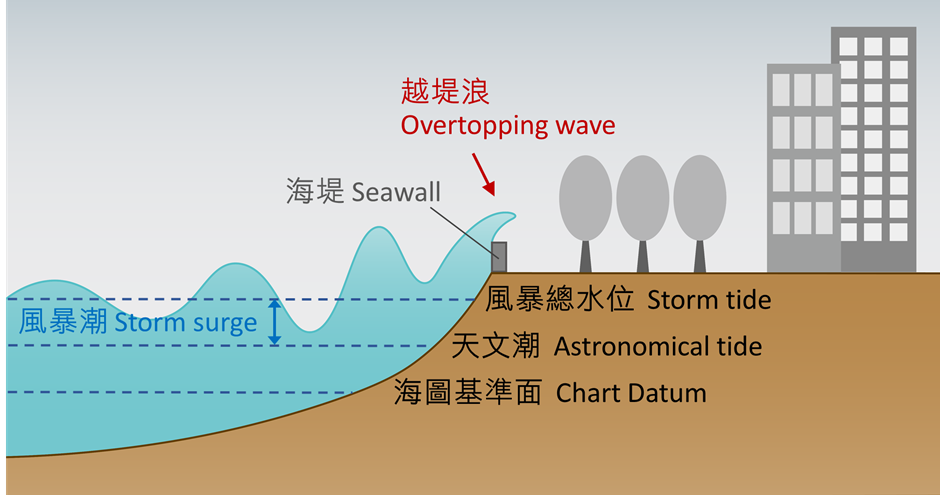
Figure 1 Formation of overtopping waves.
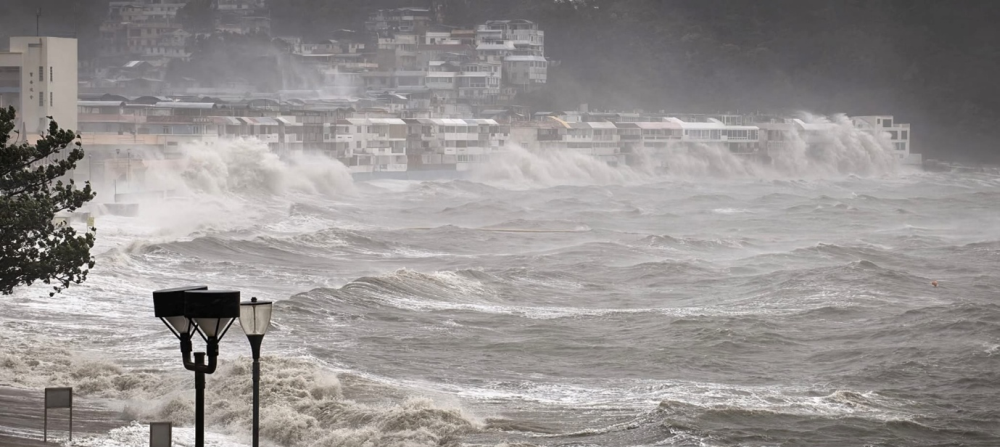
Figure 2 Overtopping waves captured at Tung Wan, Cheung Chau during the passage of Super Typhoon Ragasa in 2025.
(Photo courtesy of Kwok Yung Chan)
(Photo courtesy of Kwok Yung Chan)
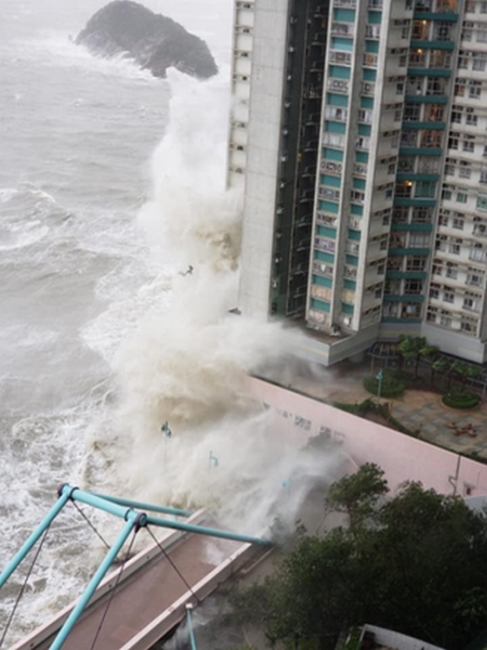
Figure 3 Overtopping waves captured at Ap Lei Chau during the passage of Super Typhoon Mangkhut in 2018.
(Photo courtesy of H.C. Chan)
(Photo courtesy of H.C. Chan)
The occurrence and severity of overtopping waves depend on several factors:
(1) Tidal Level
Waves are short-period oscillations superimposed on the prevailing tide. Therefore, as long as the tide level is already high, sea waves on top will be more likely to spill over the seawall. For a flood tide, especially during spring tide, the tide level is higher than usual. Besides, storm surges brought by tropical cyclones can further raise the water level, while relatively strong northeast monsoon can also cause higher water levels. These conditions will increase the risk of wave overtopping seawalls.
(2) Wave Height and Other Characteristics
Waves can travel from offshore to the coast. In general, the higher the wave height and the longer the wavelength, the more energy the waves carry and the easier it is to cross the embankment when hitting the shore. Waves are generated when strong winds continuously affect the sea surface. The stronger the wind, the higher the waves. Swells are waves with a longer wavelength and wave period, typically about 10 seconds or longer. They often appear when tropical cyclones are still relatively far away from Hong Kong. It is noteworthy that swells can also overtop embankments and reach shores.
(3) Seabed Topography, Seawall Design, and Wave Impact Angle
Waves behave in a complex manner nearshore due to interactions with the seabed and coastal structures. As waves approach the coast, the seabed topography changes the wave characteristics. When water depth becomes shallow, waves will increase in height, and their energy will be concentrated at headlands or land protrusions. Wave breaking nearshore and piling up on the shore also raise the water level (wave setup). After that, when waves hit shoreline and encounter a seawall, the angle of wave impact, seawall slope, shape and structure, and the friction of the material, etc. will affect how high the waves reach (wave runup). The height of seawall is also a decisive factor. If the seawall is not high enough relative to the wave runup, the waves will pass over the seawall and become overtopping waves.
(4) Onshore Winds
When waves hit a seawall, part of the spray is tossed into the air and blown landward by the onshore wind, while some falls back into the sea. The stronger the onshore winds, the more seawater will be pushed onto the shore.
Apart from the possible damage caused by the impacting waves, overtopping water can also accumulate onshore. In mild cases when the time interval between each overtopping wave is long enough, it allows ample time for the water onshore to flow or drain back to the sea, thus preventing accumulation and flooding. However, if the water cannot flow or drain away quickly enough and strong onshore wind hinders the flow of seawater back to the sea, or the overtopping waves occur so frequently that results in wave overlapping and a large amount of seawater, the water onshore cannot recede quickly enough and coastal flooding will occur.
Overtopping waves are one possible cause of coastal flooding, while another one of a more serious type is sea inundation. Sea inundation occurs when the water level rises above the crest of a seawall (Figure 4), allowing a continuous inflow of seawater until the tide recedes. As such, coastal flooding caused by sea inundation can be very severe. It normally occurs when coastal areas are affected by severe storm surge, which is infrequent.
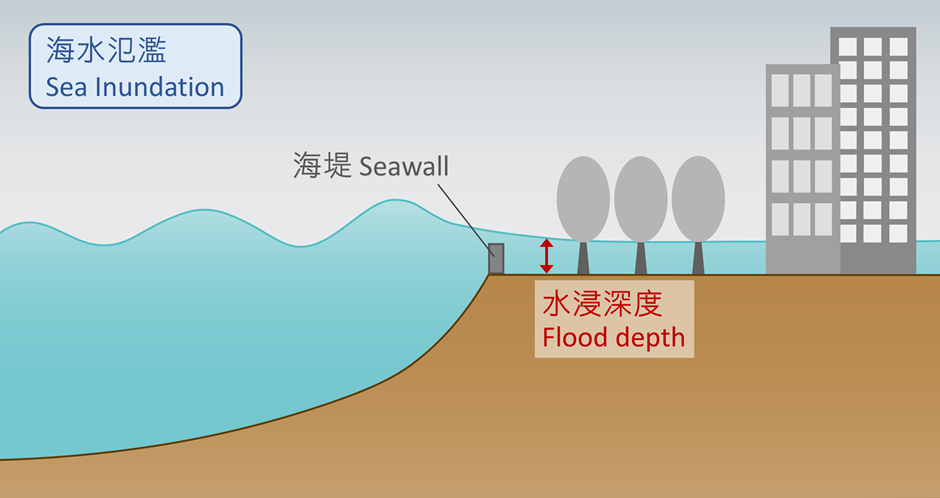
Figure 4 Illustration of sea inundation.
In summary, while many of us may be more familiar with storm surges, the threat posed by overtopping waves should not be ignored. Even when local winds are mild, if there are significant swells, they can still cause overtopping waves, and people should be aware of the associated risk. Please take note of the Hong Kong Observatory’s weather forecasts and warning messages. When swells are forecast, please do not take it lightly. In addition to refraining from water activities, one should also stay away from the shore to avoid being swept away by the waves.
References :
[1] WMO (2022). Guidelines on Implementation of a Coastal Inundation Forecasting–Early Warning System. WMO-No.1293.
[2] Wong, Y. C., Law, H. F., Lam, C. C., & Chan, P. W. (2024). High Water Level Forecast Under the Effect of the Northeast Monsoon During Spring Tides. Atmosphere, 15(11), 1321.
[3] CEDD (2023). 4. Port Works Design Manual Part 4 – Guide to Design of Seawalls and Breakwaters.
[1] WMO (2022). Guidelines on Implementation of a Coastal Inundation Forecasting–Early Warning System. WMO-No.1293.
[2] Wong, Y. C., Law, H. F., Lam, C. C., & Chan, P. W. (2024). High Water Level Forecast Under the Effect of the Northeast Monsoon During Spring Tides. Atmosphere, 15(11), 1321.
[3] CEDD (2023). 4. Port Works Design Manual Part 4 – Guide to Design of Seawalls and Breakwaters.